
"Chinese coffee growth"
2000 article(s) found

Chinese millennials love coffee more than tea, Nestl é and Starbucks are optimistic about growth potential.
Professional baristas Please pay attention to the Coffee Workshop (Wechat official account cafe_style) although Chinese people are traditionally used to drinking tea, more and more young millennials go to coffee shops rather than teahouses, thinking it is more comfortable. Large coffee chains, including Starbucks (SBUX-US), have noticed this change in consumption trends. According to Peng
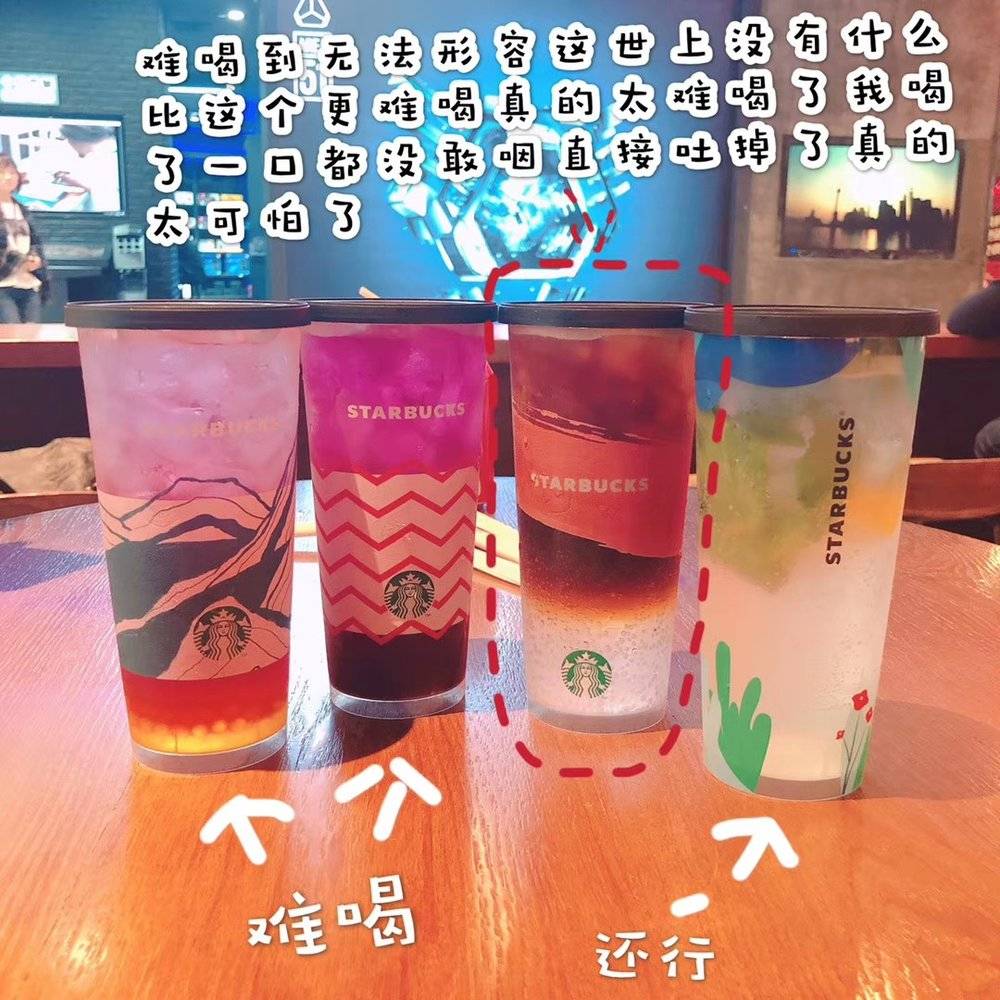
Starbucks criticizes Ruixing for being short-sighted and short-sighted, and plans to expand the scope of Chinese takeout coffee service.
For more information on coffee beans, please follow the coffee workshop (Wechat official account cafe_style). Starbucks reports its latest results and is satisfied with the growth of same-store sales. On April 25, Starbucks released its second-quarter results, bringing Starbucks shares to their highest level in the past year. Starbucks' total revenue for the quarter was $6.3 billion, compared with the same period last year.

Starbucks 2018's latest earnings report is bright, but the Chinese market is not improving.
Professional coffee knowledge exchange more coffee bean information please follow the coffee workshop (Wechat official account cafe_style) in the early morning of November 2, Beijing time, Starbucks, the world's largest coffee chain, released its Q4 report for fiscal year 2018. This is a financial report that looks pretty at first glance. Several financial data, such as net income, same-store sales, earnings per share, and so on, are improving, which has been criticized after the release of Q3.
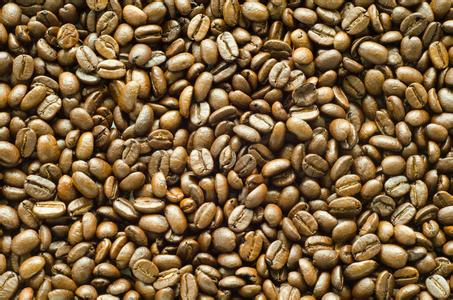
China's coffee consumption has grown at an annual rate of 20%-much higher than the global growth rate of 2%.
In 2008, Huang Wenguang chose to enter Nankeng Reclamation Coffee Manor in Zhangzhou, Fujian Province, and began to grow local coffee. In his view, coffee is squeezing into the Chinese market, which is dominated by tea culture, and if coffee is to be truly successful in China, there must be a coffee bean that is more suitable for the Chinese population, and a local coffee brand with more Chinese characteristics is needed, on the one hand, the market demand for

Starbucks' latest earnings report growth of only 1% in China and Asia Pacific
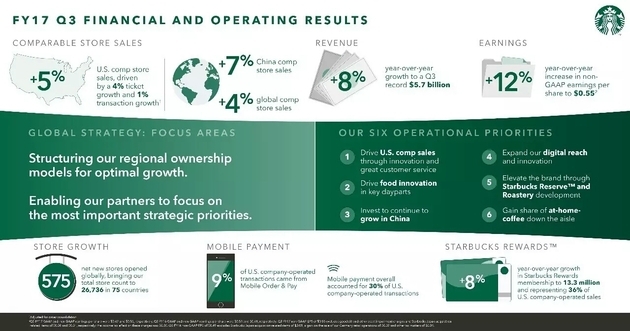
Professional barista exchanges please follow the coffee workshop (Wechat official account cafe_style) Starbucks released its financial results for the third quarter of fiscal year 2017 in the early hours of the 28th. Global same-store sales grew 4.0%, lower than the original forecast of 4.8%. Chinese mainland and Asia Pacific grew 1.0 per cent and are expected to grow 4.3 per cent. This is the seventh consecutive quarter, and Starbucks' same-store sales performance is lower than expected. Chinese mainland interface news today
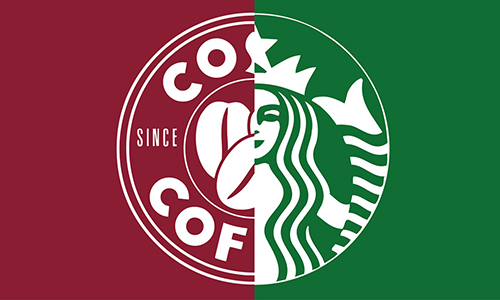
Starbucks COSTA routine: grab the hearts of consumers and immediately get rid of Chinese companies to make crazy profits.
Professional baristas Please follow the Coffee Workshop (official Wechat account cafe_style) COSTA has long been as stubborn, coquettish and traditional as its British ancestry. But in the face of the gratifying growth of the Chinese coffee market, the stubborn English gentleman finally got restless. After Starbucks spent nearly 8.8 billion yuan on 1300 stores in East China in July this year, COST

Starbucks embarks on the road of "espresso" in China
Driven by caffeine, Starbucks coffee (Starbucks) has seen explosive growth in Asia. Starbucks plans to expand its 500 stores in China to at least 1500 stores in the next three years, according to a company announcement. The report predicts that by 2014, the company's business in China will become the second largest market outside the United States.

Global capital is bullish on Chinese chain coffee brands and the Chinese coffee market will reach trillions of yuan in 2025.
Do you think there are more and more coffee shops around you in the past two years? No matter where it is, it is not difficult for us to find a coffee shop. According to the data, the number of new registrations of coffee shops in China was 22700 in 2020, and the size of the coffee market reached 300 billion yuan. And by the first 10 of 2021,

Research on Market Evaluation and Investment Planning of China's Coffee and Beverage Industry from 2016 to 2020
The "Research report on Market Evaluation and Investment Planning recommendations of China's Coffee and Beverage Industry from 2016 to 2020" released by Booz data introduces the relevant overview of the coffee and beverage industry, the operating environment of China's coffee and beverage industry, and analyzes the current situation of China's coffee and beverage industry, the competition pattern of China's coffee and beverage industry, and the operation of key enterprises in China's coffee and beverage industry.

Chinese people often go to convenience stores to sell coffee, and foreign countries report that the pace of domestic coffee craze is accelerating.
Professional coffee knowledge exchange more coffee bean information please follow the coffee workshop (Wechat official account cafe_style) China's coffee boom has accelerated the consumption growth rate of 25% last year. According to Mintel, China's internal coffee market was worth 64.7 billion yuan ($9.6 billion) last year, up 7.5% from a year earlier, when the growth rate was 6%. Expected
Nestle wants to "add weight" to China's coffee market development
Recently, Nestlé (NESN.VX), the world's largest food company, has made frequent expansion actions in China. In addition to continuously acquiring domestic enterprises, it has also directly increased its main business segments including coffee, in order to rapidly increase the proportion of its business in China. Nestle Greater China President Di Kewei told China Securities News on the 22nd that China has become the world's second largest economy and represents the Chinese market
After Sears, Starbucks tea shop also closed! Close all its Teavana tea stores
Following Kaiping (Wechat official account vdailycom) found that Beautiful Cafe opened a small shop of its own, with 2800 stores all operating itself to 5000 in 2021. This is another growth story about the Chinese market. Starbucks spent 1.3 billion US dollars to take over the operation rights of all Starbucks stores in mainland China, which means that all Starbucks stores in mainland China will be owned by Starbucks.
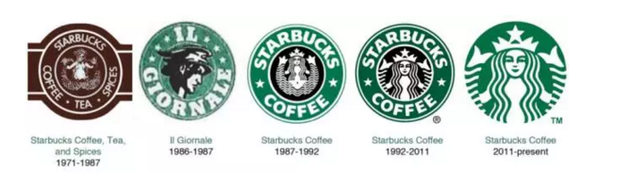
Why does Starbucks prefer China? Open another 1.33 stores a day for the next five years.
Following Kaiping (Wechat official account vdailycom) found that Beautiful Cafe opened a small shop of its own, with 2800 stores all operating itself to 5000 in 2021. This is another growth story about the Chinese market. Starbucks spent 1.3 billion US dollars to take over the operation rights of all Starbucks stores in mainland China, which means that all Starbucks stores in mainland China will be owned by Starbucks.

Starbucks has expanded its stores by 70% in the past five years, hitting China's local coffee brands.
Full of confidence in the Chinese market, China's annual economic growth (GDP) fell to 6.9% in 2015 from 7.3% the previous year, the lowest level in 25 years. It is an indisputable fact that China's economic growth is slowing. However, Starbucks CEO Howard Schultz announced more than once that the company's market size in China will surpass that of the United States to become the world's largest market in the future.

Forecast of Chinese coffee market? The development trend of Chinese coffee market?
Professional coffee knowledge exchange more coffee bean information follow coffee workshop (Wechat official account cafe_style) it is estimated that in the next five years, China's coffee market will maintain a high growth rate, with an annual compound growth rate of about 8.3%; by 2021, China's coffee market will reach 22.069 billion yuan. Because tea has always occupied a monopoly position in Chinese tradition, making coffee in the middle
Nestle wants to set up Coffee Center in China
China's coffee market has great room for development. In recent years, both the coffee consumer population and the consumer market in China have shown a trend of rapid growth, with its annual per capita consumption increasing at a rate of 30%, far exceeding the annual growth rate of world coffee consumption. It is estimated that by 2020, China will become a major coffee consumer in the world equivalent to Japan. Therefore, for the major coffee brands to enter the Chinese market hugely

The growth environment and growth process of coffee trees introduce why Chinese people like Starbucks
Coffee beans are fresh and green coffee raw beans, which are obtained by removing red pulp, peel and silver skin from coffee fruit. The structure of coffee fruit is composed of outer skin, pulp, endocarp, silver skin and seeds. The shape is oval, usually the fruit of coffee is composed of two oval seeds opposite each other, and the other side is flat, so it is called flat bean, but it is also made up of

China's coffee consumption will maintain an annual growth rate of about 20%
For coffee to be truly successful in China, it will have to convince less-visited regions that coffee can complement or even replace tea, especially for some unique coffee varieties. The Wall Street Journal website once reported that as the economic development slows, China's commodity demand may be slowing down, but in a country with a tradition of drinking tea, coffee is even more expensive.

Starbucks coffee consumption has been growing in double digits and will double in Chinese stores.
Against the backdrop of rising consumption, China's coffee consumption has maintained double-digit growth, foreign coffee giants are also busy in the Chinese market, and Starbucks, the world's largest coffee chain, has accelerated its expansion in China. Chinese mainland plans to operate more than 5000 Starbucks stores by 2021, Starbucks announced. At present, Starbucks has more than 230 stores in China.
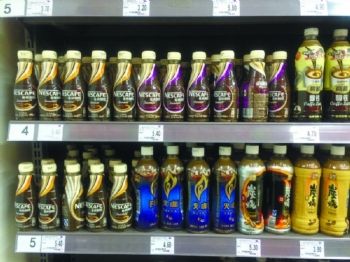
Ready-to-drink Coffee Market: a New Blue Ocean being excavated
In the past two years, when the whole beverage industry bid farewell to the golden era of high growth, coffee consumption showed a rapid growth trend, and China's coffee market is growing at an annual rate of 15% and 20%. Both the leisure coffee chain represented by Starbucks and the instant coffee represented by Nestl é have made rapid development. And the scale of China's coffee consumption market is about to break through.